
What to Do After Large Carnivore Damage
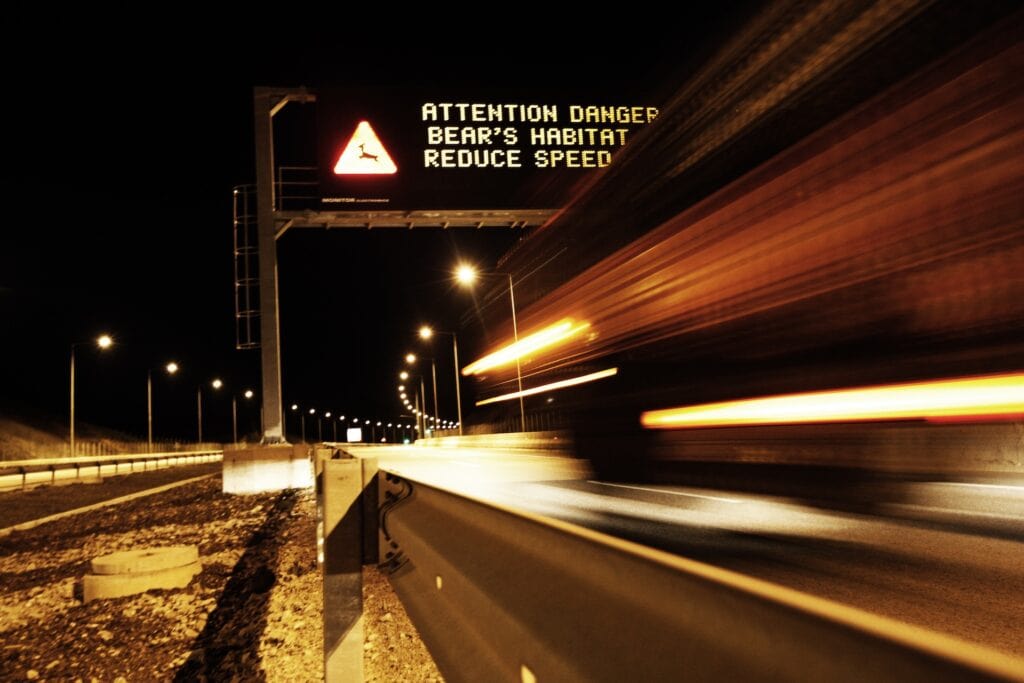
Damage caused by a wolf, bear, lynx, or golden jackal can be stressful. The priority after an incident is to protect people, secure surviving animals or property, preserve useful evidence, and notify the competent authorities where required.
Protecting Beehives From Bears
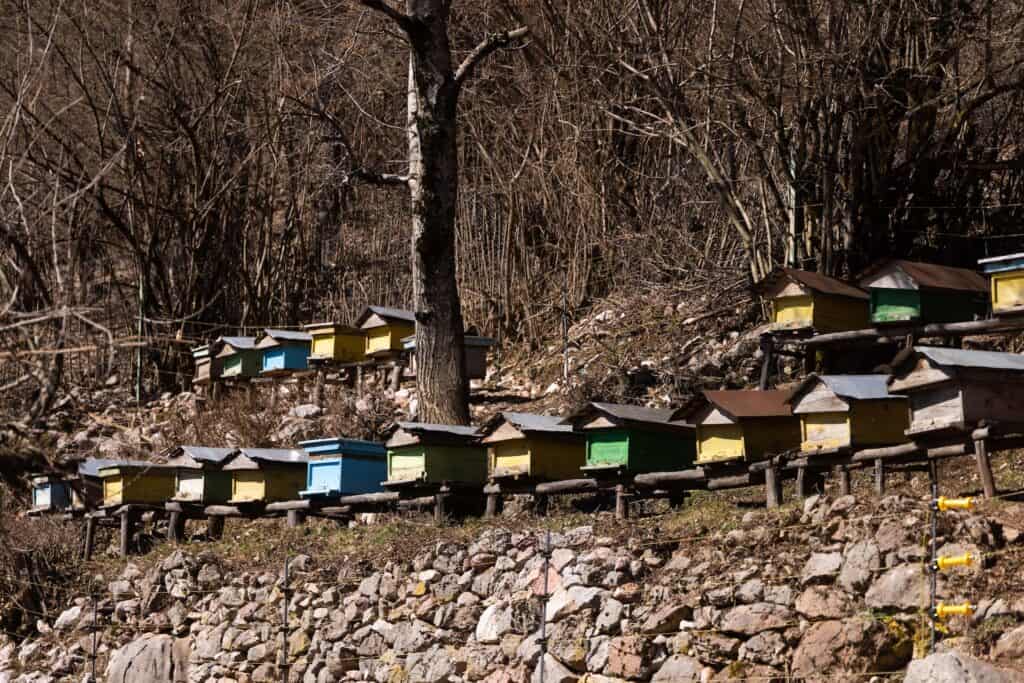
Beehives and apiaries can be attractive food resources for bears. Damage can include destroyed hives, loss of entire bee colonies and honey, and increased risk of further bear activity around the site.
Building Coexistence Between Communities and Large Carnivores

Large carnivore populations have recovered across Europe over recent decades. These guidelines explore how local residents can respond constructively to large carnivore presence in their areas.
Identifying and Countering False Claims About Large Carnivores
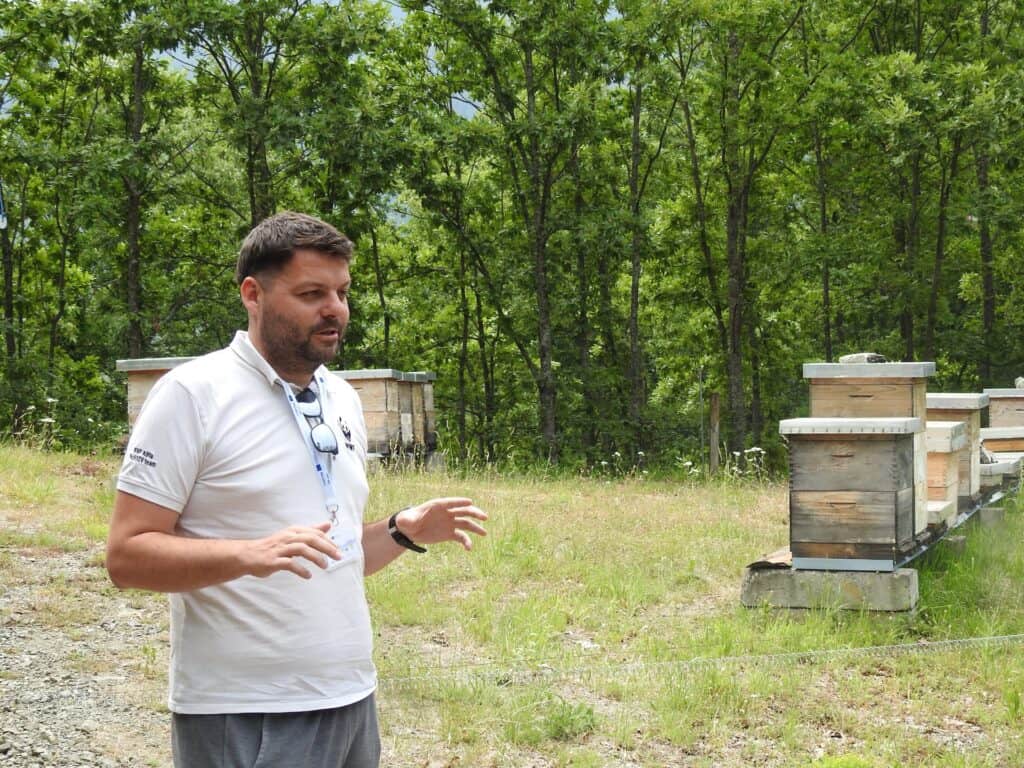
As large carnivore populations recover and expand across Europe, public discourse about bears, wolves, lynx, and golden jackals has become increasingly polarised.
Distinguishing fact from fiction is essential.
Reporting and Responding to Road Incidents Involving Large Carnivores
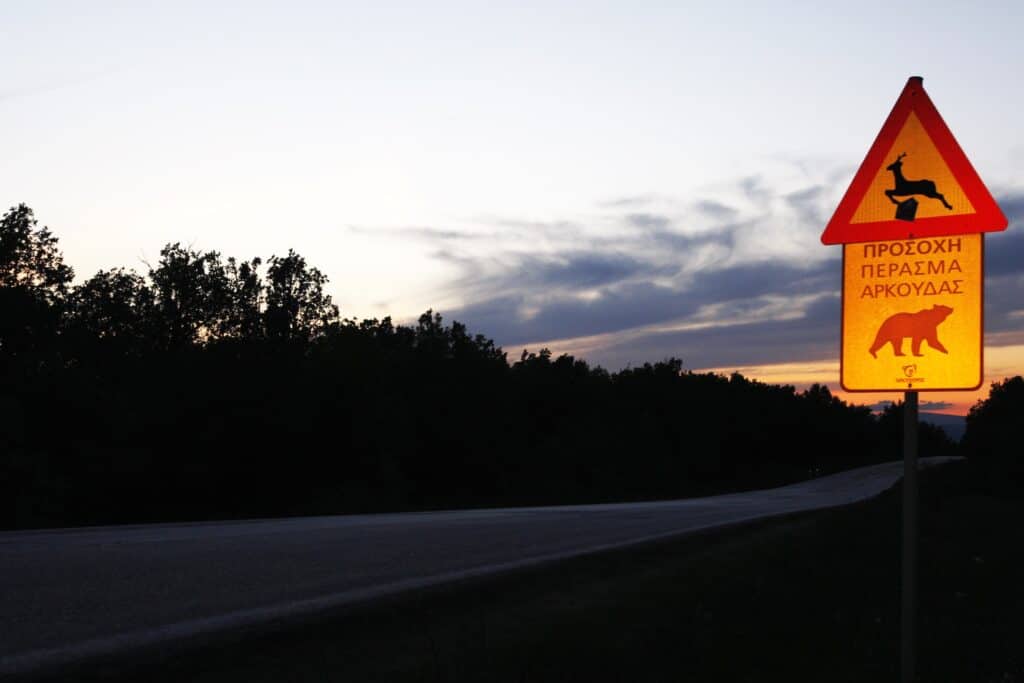
As European carnivore populations recover and expand into former ranges, vehicle-wildlife collisions have become increasingly frequent, posing serious risks to human safety, animal welfare, and conservation efforts.
Protecting Companion Animals from Carnivore Encounters
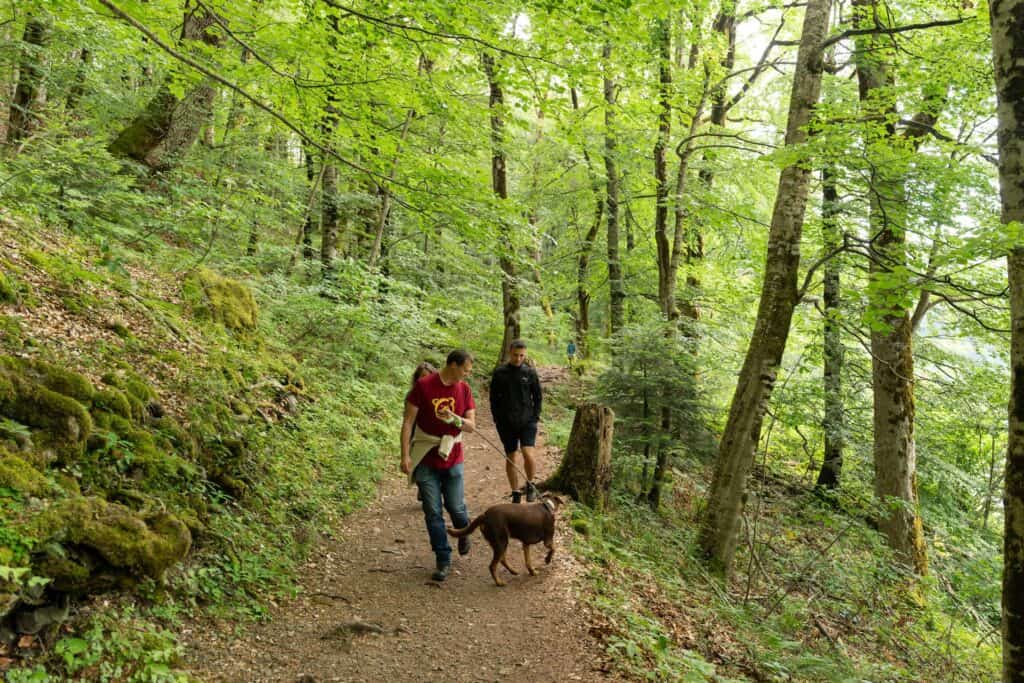
Dogs, cats, and small livestock frequently encounter bears, wolves, lynx, and golden jackals when left unsupervised outdoors, creating dangerous situations that threaten animal welfare, household peace, and community safety.
Managing Waste to Protect Wildlife Coexistence

Improper waste management is one of the leading causes of human-wildlife conflict in residential and rural areas. This creates dangerous situations for both people and animals.
Encounter Guidelines

Most large carnivores naturally avoid humans and will retreat if they detect your presence. This guide provides clear instructions for local residents, families, and pet owners on how to react during encounters with bears, wolves, lynx, and golden jackals.
Using Livestock Guardian Dogs Effectively
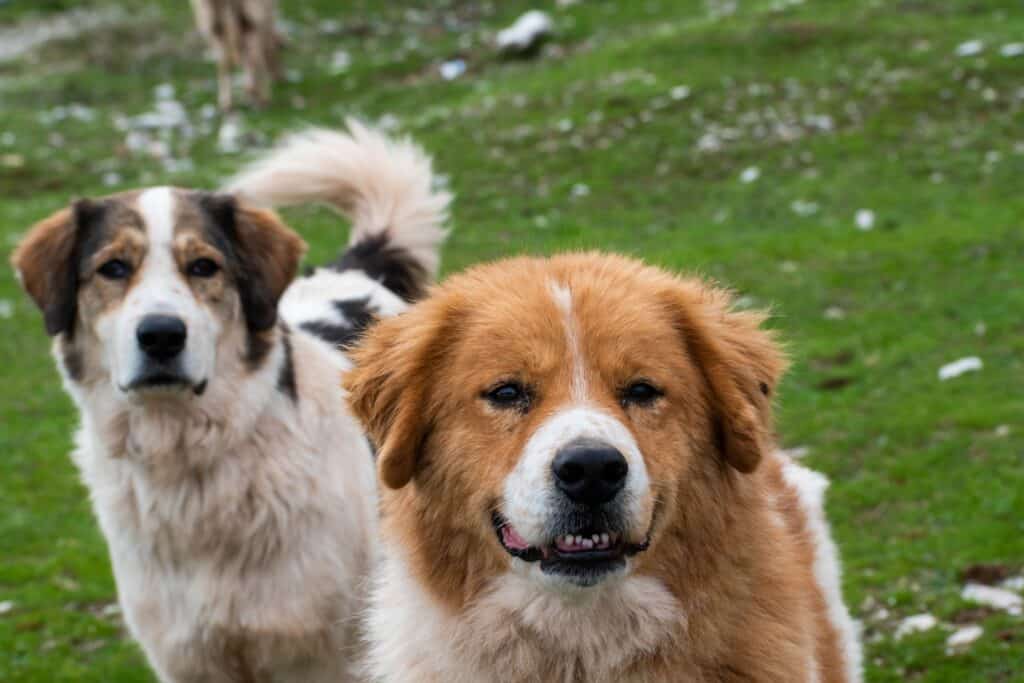
Livestock guardian dogs can be an effective part of a wider livestock-protection system. They live with the herd, detect threats and discourage predators through their presence, barking and territorial behaviour.
Protecting Livestock From Large Carnivore Attacks
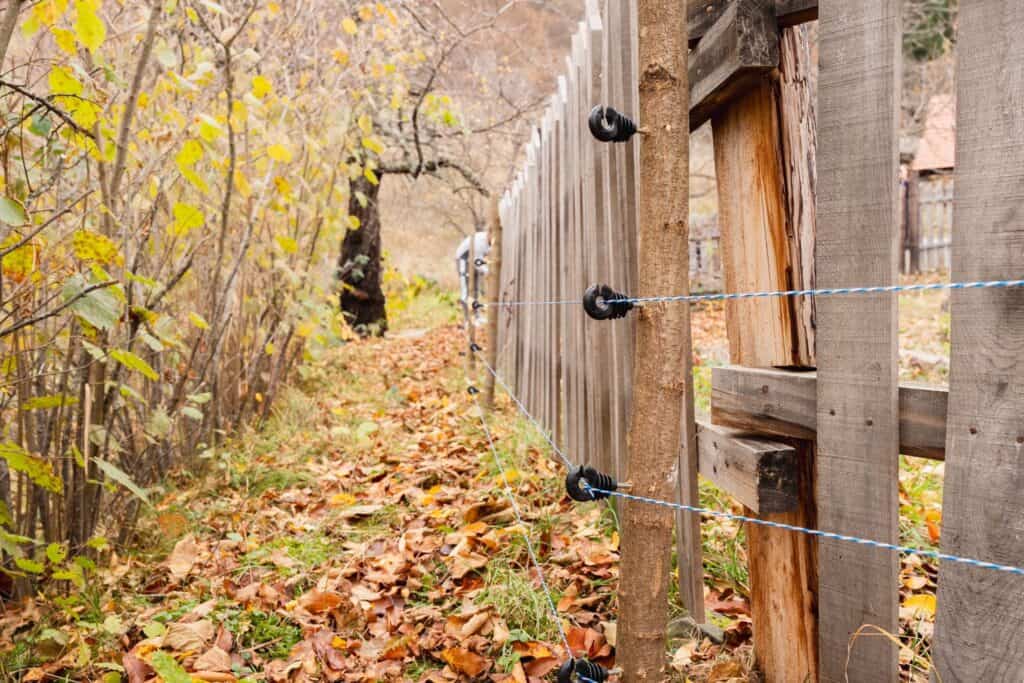
No single measure can prevent every attack. The most effective approach combines several tools adapted to the farm, the livestock and the local landscape.