
No single measure can prevent every attack. The most effective approach combines several tools adapted to the farm, the livestock and the local landscape.
Good prevention begins with assessing where and when animals are most vulnerable. Night-time enclosures, deterrent devices, well-maintained electric fencing, active supervision, secure feed and carcass management, and rapid adaptation after an incident can greatly reduce risk. Monitoring data and local reports should be used to update measures as large-carnivore presence changes.
Assessing Predation Risk on the Farm
Prevention should begin with a simple farm-level risk assessment.
Consider:
- recent wolf, bear or golden jackal records;
- previous attacks on the farm or neighbouring holdings;
- distance from forests, shrubland and movement corridors;
- livestock species, age and group size;
- lambing, calving or kidding periods;
- night-time grazing;
- terrain, vegetation and visibility;
- distance from buildings and roads;
- availability of staff or shepherds;
- presence of carcasses, feed or waste.
Young animals, animals giving birth, isolated individuals and herds left overnight in remote areas are often more exposed.
The 4PETHABECO e-guidebook stresses that conflict-related records, including livestock depredation, can provide useful information on carnivore distribution and management needs. Risk assessments should therefore combine farm experience with verified monitoring data and information from local authorities.
A useful assessment should identify:
- the most vulnerable animals;
- the highest-risk locations;
- the most sensitive periods;
- current weaknesses in protection;
- measures that can be introduced immediately.
Combining Prevention Measures
Protection is strongest when several measures work together.
A combined system may include:
- active shepherding;
- night-time enclosure;
- electric fencing;
- deterrent devices;
- livestock guardian dogs;
- grouping animals rather than allowing wide dispersal;
- avoiding high-risk grazing areas at sensitive times;
- rapid removal of carcasses;
- secure storage of feed and waste;
- lighting or alarms where appropriate;
- regular communication with neighbouring farms and authorities.
Each measure addresses a different part of the risk. A fence may protect animals at night, while supervision reduces risk during grazing. Carcass management prevents predators from being attracted to the farm, while monitoring helps farmers adapt measures to current conditions.
Measures should not be treated as permanent once installed. They must be reviewed after changes in herd size, grazing area, livestock season or carnivore activity.
Night-Time Enclosures and Safe Shelters
Bringing livestock into a secure enclosure at night can significantly reduce exposure, particularly where attacks occur during periods of low supervision.
A night enclosure should:
- be close enough for regular inspection;
- have a strong, continuous boundary;
- avoid gaps under gates or fencing;
- provide enough space to prevent crowding;
- be located away from dense cover where predators can approach unseen;
- include safe access for people and livestock;
- avoid nearby carcasses, feed waste or other attractants.
Temporary enclosures can be moved between grazing areas, while permanent shelters may be more appropriate near farms or seasonal livestock stations.
Animals should be brought inside before visibility becomes poor and released only after the area has been checked.
An enclosure is only effective when all animals are inside. Young, injured or isolated livestock should not remain outside overnight.
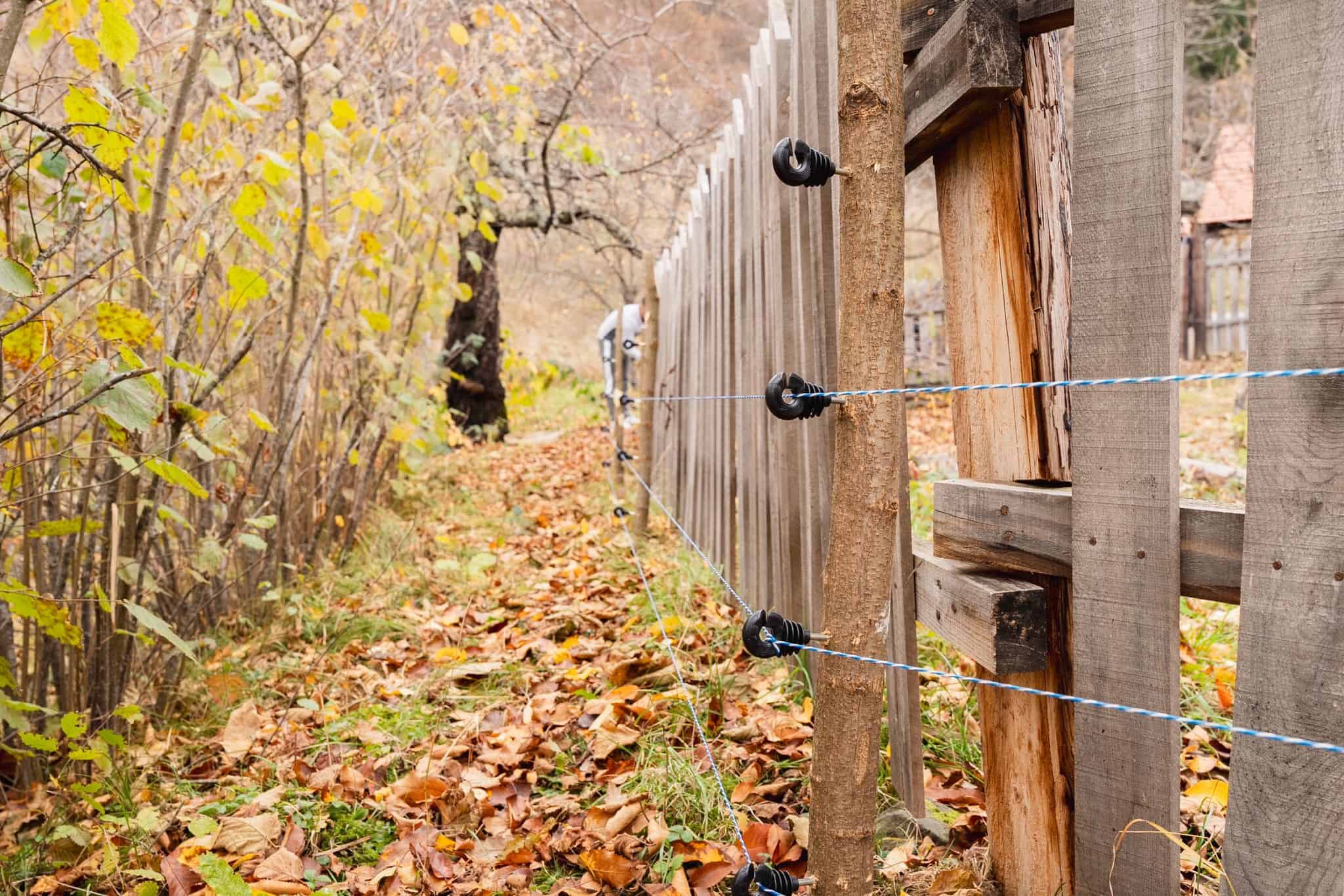
Electric Fencing
Electric fencing is most effective when correctly installed, powered and maintained.
Important principles include:
- create a complete circuit without gaps;
- adapt fence height and wire arrangement to the livestock and target predator;
- keep vegetation away from electrified wires;
- ensure gates are protected to the same standard as the rest of the fence;
- use a reliable power source;
- check the fence regularly with appropriate testing equipment;
- repair damage immediately;
- make the fence visible to livestock and people.
The fence should surround the entire protected area. A weak gate, stream crossing or section hidden by vegetation may compromise the whole system.
Portable electric fencing can support seasonal grazing, but it requires frequent checks and correct relocation. Permanent fencing may be more suitable around regular night enclosures.
Exact technical requirements should follow national guidance, manufacturer instructions and advice from competent livestock-protection services. A fence that delivers insufficient power or is poorly grounded may appear functional while providing little protection.
Supervision and Herd Management
Human presence remains an important preventive measure.
Good herd management includes:
- keeping livestock in compact groups;
- avoiding animals grazing far from the main herd;
- increasing supervision during birth periods;
- checking vulnerable animals frequently;
- avoiding dense vegetation and blind terrain where possible;
- adjusting grazing routes after recent carnivore activity;
- bringing livestock closer to secure areas before nightfall;
- using trained livestock guardian dogs where appropriate.
Shepherds should know how to recognise tracks, scats, unusual livestock behaviour and other signs of carnivore presence.
Sudden movement, alarm calls, tightly grouped animals or livestock refusing to enter an area may indicate disturbance. Such behaviour should be investigated without approaching potential predators or carcasses.
Neighbouring farmers can strengthen prevention by sharing recent observations and coordinating grazing or night enclosure practices.
Carcass, Feed and Waste Management
Dead livestock and organic waste can attract carnivores and encourage repeated visits.
Farmers should:
- remove livestock carcasses as quickly as regulations allow;
- report suspected predation before moving evidence when verification is required;
- store carcasses securely while awaiting collection;
- keep animal feed in closed buildings or containers;
- clean spilled grain and feed;
- protect compost and organic waste;
- avoid leaving slaughter waste outdoors;
- prevent access to pet food and livestock supplements.
If an attack has occurred, the site may attract the predator again. Surviving animals should be moved to a secure location and protection increased immediately.
The e-guidebook notes that carnivore monitoring and management should consider conflict and depredation records together with other evidence. Accurate reporting helps authorities distinguish isolated incidents from repeated patterns and identify priority areas for prevention.
Maintenance and Regular Checks
Prevention measures lose effectiveness when they are not maintained.
Daily checks
- count livestock;
- inspect gates and enclosure boundaries;
- look for fresh tracks, scats or signs of disturbance;
- check vulnerable and newborn animals;
- remove feed spills and waste.
Regular fence checks
- test the electrical system;
- remove vegetation touching wires;
- inspect posts, connections and grounding;
- check gates and corners;
- repair storm, livestock or wildlife damage.
Seasonal reviews
- reassess risk before lambing, calving or kidding;
- inspect equipment before moving to seasonal pastures;
- update emergency and veterinary contacts;
- review recent carnivore records;
- adapt measures after any attack or near miss.
Keep a simple record of inspections, faults, attacks and repairs. This helps identify recurring weaknesses and provides evidence when applying for prevention support or compensation.
Choosing Measures for Different Farm Types
Small farms close to settlements
Priorities may include:
- permanent night shelters;
- secure feed and waste storage;
- well-maintained fixed fencing;
- deterrent devices protecting fixed areas;
- regular checks at dawn and dusk.
Extensive sheep and goat farming
Priorities may include:
- active shepherding;
- livestock guardian dogs;
- mobile electric enclosures;
- grouping animals at night;
- deterrent devices at night shelters;
- rapid adaptation of grazing routes.
Cattle and horse systems
Adult animals may be less vulnerable than small livestock, but calves, foals and animals giving birth require additional protection.
Useful measures include:
- concentrating births near supervised areas;
- separating vulnerable animals from remote pastures;
- checking animals frequently;
- securing night or maternity areas.
Remote or seasonal pastures
Priorities may include:
- portable fencing;
- guardian dogs;
- shepherd presence;
- satellite or mobile communication;
- planned emergency access;
- secure carcass storage and removal.
Mixed farms
Where livestock, crops, beehives and stored feed occur together, prevention should cover the whole farm. A measure protecting livestock may fail if bears or other carnivores are attracted by feed, fruit, apiaries or waste nearby.