
Building Coexistence Between Communities and Large Carnivores

Large carnivore populations have recovered across Europe over recent decades. These guidelines explore how local residents can respond constructively to large carnivore presence in their areas.
Identifying and Countering False Claims About Large Carnivores
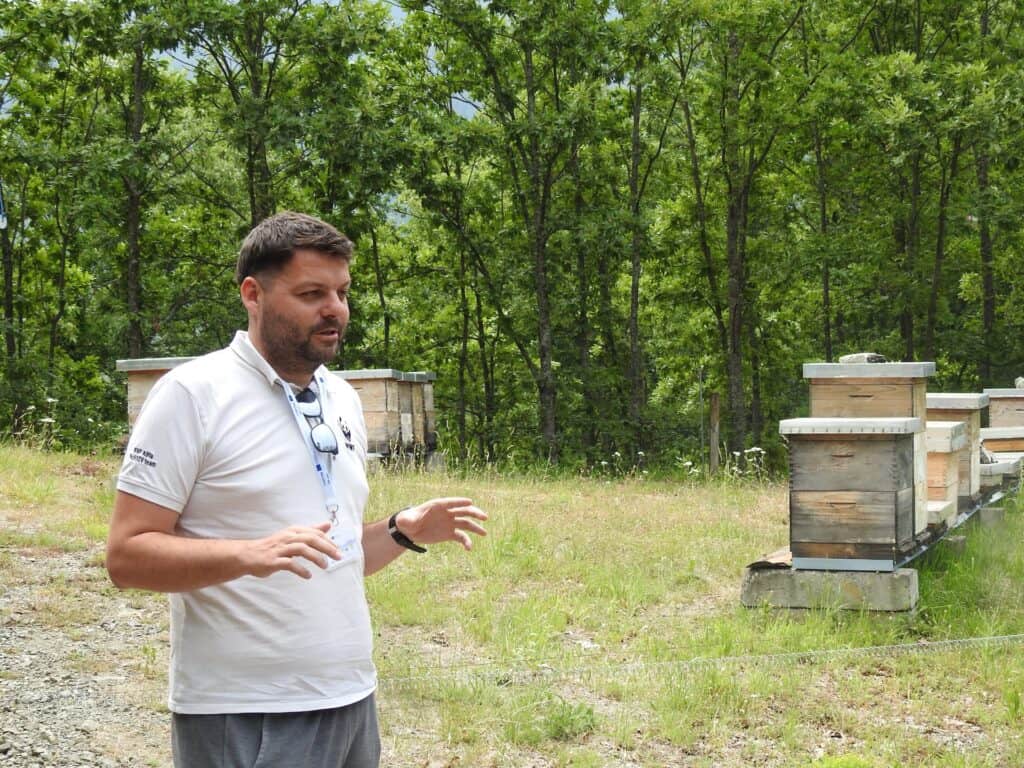
As large carnivore populations recover and expand across Europe, public discourse about bears, wolves, lynx, and golden jackals has become increasingly polarised.
Distinguishing fact from fiction is essential.
Reporting and Responding to Road Incidents Involving Large Carnivores
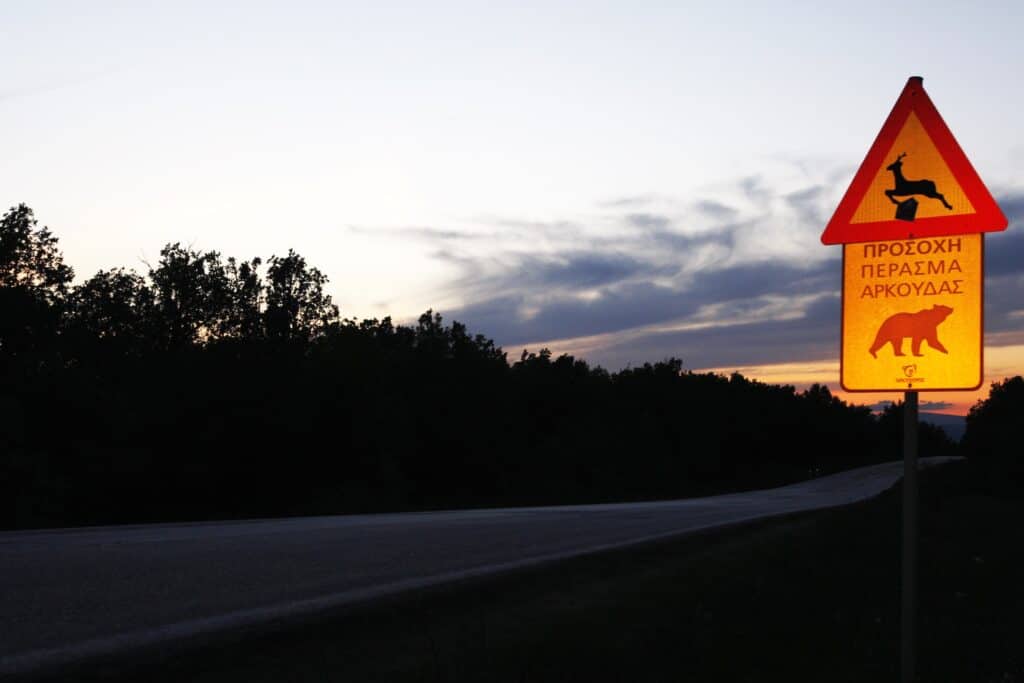
As European carnivore populations recover and expand into former ranges, vehicle-wildlife collisions have become increasingly frequent, posing serious risks to human safety, animal welfare, and conservation efforts.
Protecting Companion Animals from Carnivore Encounters
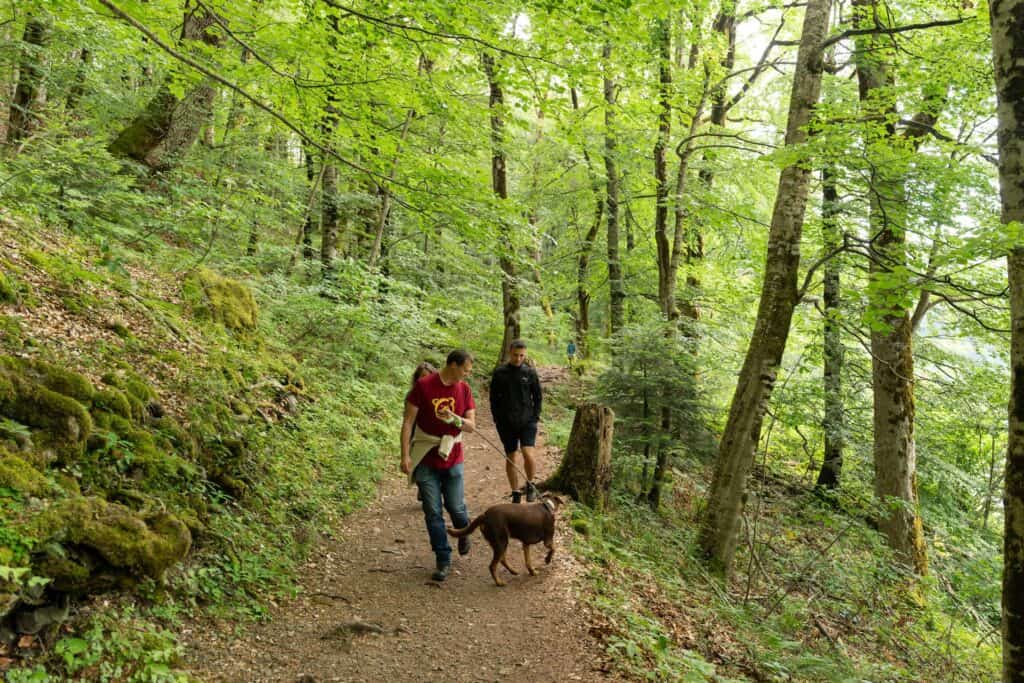
Dogs, cats, and small livestock frequently encounter bears, wolves, lynx, and golden jackals when left unsupervised outdoors, creating dangerous situations that threaten animal welfare, household peace, and community safety.
Encounter Guidelines

Most large carnivores naturally avoid humans and will retreat if they detect your presence. This guide provides clear instructions for local residents, families, and pet owners on how to react during encounters with bears, wolves, lynx, and golden jackals.
Feeding Points, Baits and Wildlife Attractants
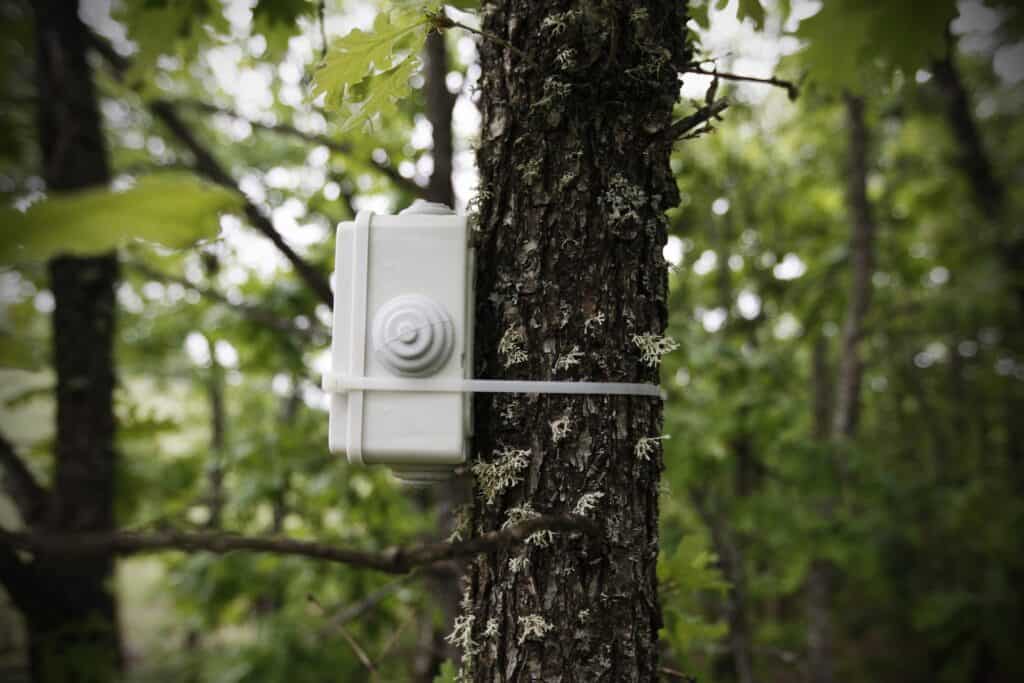
Feeding points and baits may be used for wildlife management, hunting, monitoring or photography. However, food placed in the environment can also attract large carnivores.
Protecting Hunting and Working Dogs

Dogs used for hunting, forestry, herding, monitoring or other outdoor work may enter large-carnivore habitat before their handlers and may move beyond direct control. This can increase the risk of encounters.
Large-Carnivore-Friendly Forest Management
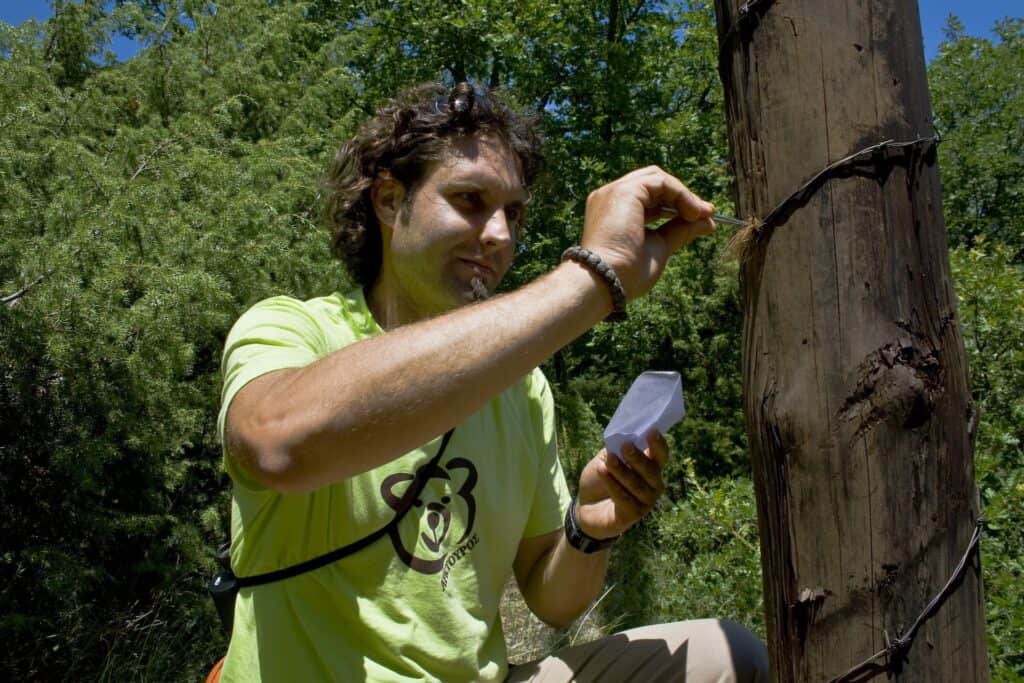
Large-carnivore-friendly forest management does not mean excluding people or productive activities from forests. It means planning and carrying out those activities.
Working Safely in Large Carnivore Habitats

This best practice provides practical guidance for foresters, hunters and foragers to reduce risks, prevent conflicts and safely coexist with bears, wolves, lynx and golden jackals.