
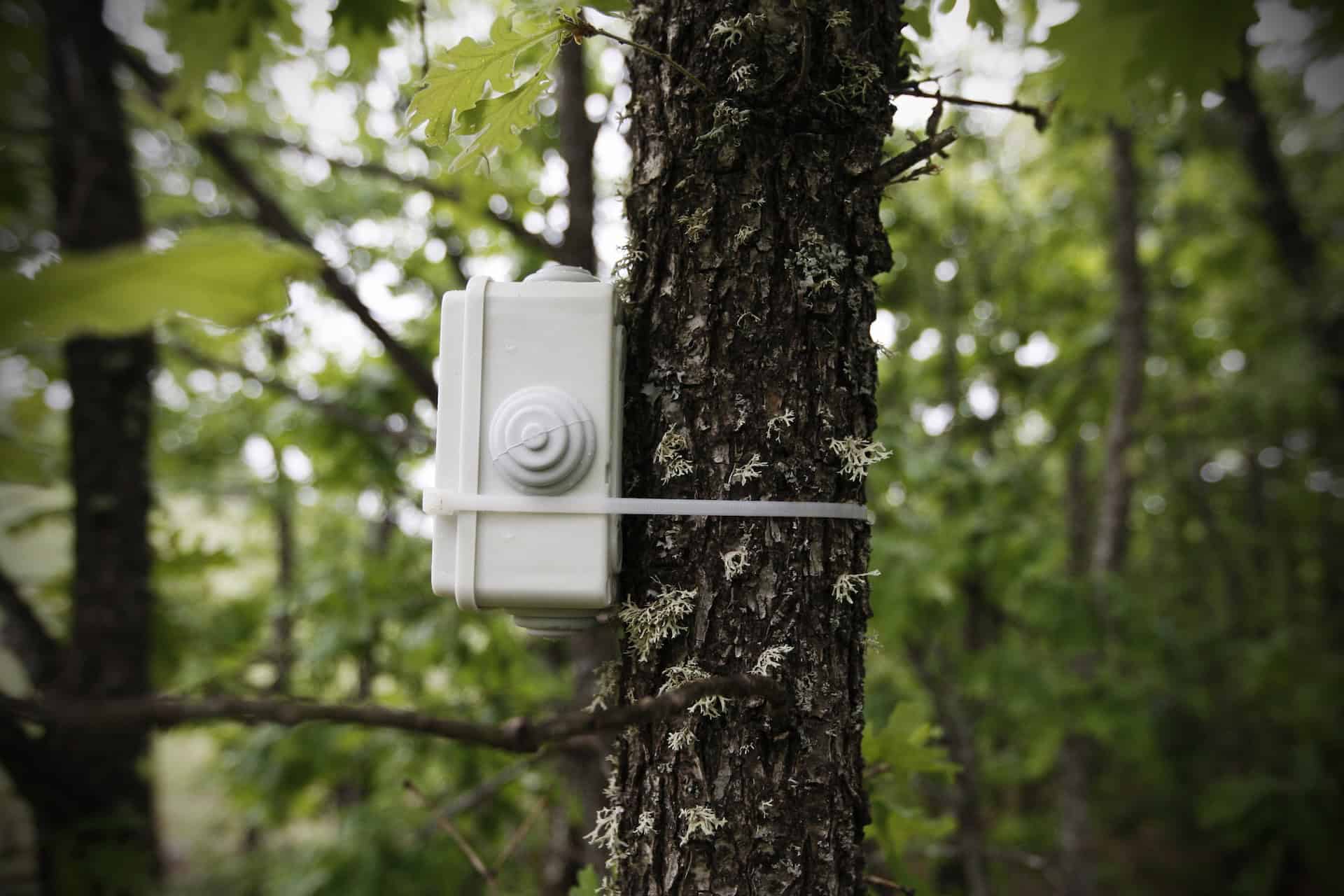
Feeding points and baits may be used for wildlife management, hunting, monitoring or photography. However, food placed in the environment can also attract large carnivores, concentrate animals in one place and alter their movement, activity or tolerance of people.
Responsible management starts with a clearly defined purpose, legal authorisation and careful site selection. Attractants should be used only when necessary, in the smallest effective quantity and for the shortest possible period. Every site should be monitored, kept clean and closed if it creates repeated carnivore presence, conflict or safety risks.
What Counts as a Feeding Point or Attractant?
A wildlife attractant is anything that encourages an animal to visit or remain in a location.
It may include:
- permanent or temporary wildlife feeding stations;
- food placed for hunting management;
- carcasses or animal remains;
- offal and slaughter waste;
- bait used for camera trapping or photography;
- scent lures;
- agricultural feed;
- livestock carcasses;
- beehives, fruit or crops;
- rubbish, compost and food waste;
- pet food left outdoors.
he intended purpose does not determine whether something acts as an attractant. A carcass placed for monitoring, a feeding site for ungulates and poorly stored organic waste can all draw bears, wolves or golden jackals to the same area.
The 4PETHABECO e-guidebook notes that feeding sites are used in some countries as part of brown bear monitoring, including repeated counts. It also shows that large-carnivore management and hunting rules vary substantially across the Adriatic–Ionian region.
How Attractants Can Change Carnivore Behaviour
An attractant creates a predictable food source. Repeated access may influence:
- where animals move;
- how long they remain in an area;
- their daily or seasonal activity;
- interactions between species and individuals;
- their response to roads, hunters or settlements;
- their tolerance of human presence.
A carnivore that repeatedly finds food near people may become less cautious. This does not automatically mean that the animal is aggressive, but it may increase the probability of close encounters and conflict.
Feeding points can also concentrate prey species. This may indirectly attract wolves or other predators, even when the food was not intended for carnivores. Carcasses and offal may attract bears, wolves, jackals and scavenging birds.
Managers should therefore assess both direct and indirect effects. The key question is not only, “Which species is being fed?” but also, “Which other species may respond to the food, prey concentration or human activity around the site?”
Risks for Hunters, Wildlife and Local Communities
Poorly managed attractants may create several risks.
Risks for people
- close encounters with bears or other carnivores;
- animals approaching hunters, photographers or vehicles;
- increased carnivore activity near homes, roads or recreation areas;
- conflict with dog handlers or livestock owners;
- false perceptions that an animal is naturally abundant at the site.
Risks for wildlife
- loss of natural avoidance of people;
- changes in movement or feeding behaviour;
- competition and aggression around concentrated food;
- disease transmission through repeated contact;
- ingestion of unsuitable or contaminated material;
- increased risk of shooting, poaching or vehicle collision;
- disturbance caused by repeated visits from photographers or observers.
Risks for management
- biased monitoring results;
- artificial concentration of animals;
- difficulty distinguishing natural presence from bait-induced presence;
- increased public opposition;
- long-term dependence on feeding;
- conflict between hunting, conservation and tourism objectives.
Improper waste management is already recognised in the project area as an important source of anthropogenic food for large carnivores, particularly bears and adaptable scavengers such as golden jackals.
Selecting and Managing Locations
A feeding or baiting site should only be established after its purpose, alternatives and risks have been assessed.
Avoid locations:
- close to settlements, farms or tourism facilities;
- near schools, picnic areas or popular trails;
- beside roads or railways;
- near livestock enclosures or apiaries;
- in narrow ecological corridors;
- close to breeding, resting or denning areas;
- where animals would need to cross dangerous infrastructure;
- where regular human presence cannot be controlled.
Prefer locations that:
- are authorised by the competent authority;
- can be safely accessed and inspected;
- allow waste and unused material to be removed;
- are far from routine public activity;
- do not redirect animals towards settlements;
- are compatible with protected-area and hunting plans;
- can be monitored without repeated disturbance.
Each site should have a written management record specifying:
- purpose;
- responsible organisation;
- authorised period;
- material used;
- quantity and frequency;
- target species;
- non-target species expected;
- inspection schedule;
- closure criteria.
A feeding point should never become permanent simply because it has been used for many years. Its purpose and effects should be reviewed regularly.
Using Baits for Monitoring and Photography
Baits and scent lures can increase the probability of photographing or detecting an animal. They may be useful for targeted monitoring, but they can also distort the results.
Before using bait, define the monitoring question.
For example:
- confirming species presence;
- identifying an individual;
- testing equipment;
- collecting hair or genetic material;
- observing behaviour at a specific resource.
Baited cameras are generally less suitable for estimating natural activity patterns, habitat preference or movement frequency, because the attractant changes the probability and duration of visits.
The e-guidebook recommends that camera-trap studies begin with a clear objective and standardised design. Targeted placement at dens, conflict sites or other focal locations may increase detections, but offers more limited statistical inference than grid-based or stratified sampling.
Good practice includes:
- use bait only when the objective cannot be met without it;
- use the smallest effective quantity;
- avoid human food and strongly processed products;
- prevent access by livestock and domestic animals;
- record the bait type, amount and replacement dates;
- use the same method across comparable sites;
- minimise visits and human scent;
- stop if repeated close approaches or behavioural changes occur;
- remove all bait and equipment when monitoring ends.
Photography should never involve encouraging an animal to approach people, vehicles or hides at close range. Exact locations of rare or sensitive animals should not be publicly disclosed.
Hygiene, Carcass and Waste Management
Poor hygiene can turn a temporary monitoring or feeding site into a persistent source of risk.
Managers should:
- use only legally permitted material;
- avoid spoiled, chemically contaminated or medicated food;
- prevent plastics, packaging, wires and other foreign material from entering the site;
- remove unused material before it decomposes excessively;
- clean equipment and tools between locations;
- minimise direct contact with carcasses and biological material;
- use gloves and appropriate protective equipment;
- store and transport animal remains in sealed containers;
- keep accurate records of origin and disposal.
Carcasses and offal require particular care. They can attract several species, remain active for long periods and create sanitary risks. Their use or disposal should comply with veterinary, hunting, waste and protected-species legislation.
Food waste from hunting facilities, cabins, farms or tourist structures should never be left accessible. The e-guidebook identifies prevention of bear access to organic rubbish and other human-derived food as a difficult but important management task.
When a site is closed:
- remove remaining food and waste;
- clean or remove equipment;
- check for contaminated soil or packaging;
- continue short-term monitoring to confirm that animals are no longer returning;
- inform the competent authority if repeated visits continue.
Permits and Local Regulations
Rules differ significantly among project countries and may depend on:
- target species;
- hunting status;
- protected-area designation;
- type of food or carcass;
- monitoring or photography purpose;
- use of camera traps;
- land ownership;
- veterinary and waste regulations.
Before establishing a site, confirm:
- whether feeding or baiting is permitted;
- which authority issues approval;
- whether landowner consent is required;
- which materials may be used;
- whether quantities or seasons are regulated;
- whether the site must be registered;
- whether camera traps require privacy safeguards;
- how carcasses and waste must be handled;
- whether data or incidents must be reported.
Large-carnivore legal status varies across the Adriatic–Ionian region. For example, hunting and management arrangements for bears, wolves and jackals are not the same in all countries. A single transnational website article should therefore provide general principles and link to current national and local rules.
No feeding, baiting or photography objective justifies disturbing a den, handling wildlife, using poisoned material or carrying out an unauthorised capture or removal.
Recommended Monitoring Indicators
Every feeding or baiting site should be evaluated against clear indicators.
Site-use indicators
- number of visits by the target species;
- number of visits by non-target carnivores;
- number of individuals, where identification is possible;
- time and duration of visits;
- seasonal changes in use;
- repeated use after food has been removed.
Behaviour indicators
- distance maintained from people or vehicles;
- daytime versus night-time use;
- waiting for food to be supplied;
- repeated approach immediately after human visits;
- aggressive or defensive interactions;
- females with young using the site;
- animals following access roads towards human activity.
Safety and conflict indicators
- sightings near settlements;
- livestock or pet incidents nearby;
- road crossings or collisions;
- reports from hunters, foresters and residents;
- damage to equipment;
- unauthorised public access;
- presence of domestic dogs.
Hygiene and management indicators
- quantity of food supplied;
- amount left uneaten;
- frequency of cleaning;
- waste or packaging found;
- signs of disease or abnormal mortality;
- compliance with permit conditions;
- number of site inspections.
Monitoring data should be recorded using a consistent form and reviewed at agreed intervals. Camera traps, tracks, genetic samples and verified field observations can be combined, but methods and effort should remain standardised so that changes are meaningful.
Close or modify the site when:
- carnivores begin approaching people or settlements;
- non-target species dominate the site;
- disease or repeated aggression is recorded;
- monitoring results become clearly biased;
- public access cannot be controlled;
- waste accumulates;
- permit conditions are not being met;
- the site no longer serves a justified management purpose.