
Domestic pets represent both vulnerable prey and potential triggers for defensive responses from large carnivores living near residential and rural properties. Dogs, cats, and small livestock frequently encounter bears, wolves, lynx, and golden jackals when left unsupervised outdoors, creating dangerous situations that threaten animal welfare, household peace, and community safety. On the other hand, free-roaming dogs can also interbreed with wolves which produces fertile offspring of wolf-dog hybrids and poses significant threat to the species conservation.
Understanding these risks and implementing comprehensive prevention strategies enables pet owners to maintain their animals’ wellbeing while supporting natural wildlife populations.
This guide provides evidence-based recommendations for protecting companion animals across all life stages and sizes. Whether you keep dogs primarily indoors or allow them outdoor access, maintain cats as indoor-outdoor animals, or have rabbits and small livestock pets, this document offers specific protocols tailored to each situation. The advice draws from documented wildlife behaviour research, veterinary medicine literature, and practical experience from communities sharing landscapes with large carnivores. Following these guidelines reduces encounter frequency, minimises injury risks when interactions occur, and helps preserve coexistence between domestic animals and wildlife for future generations.
Understanding Wildlife Risks to Companion Animals
Large carnivores perceive domestic animals through multiple lenses: potential food, territorial competitors, threats to offspring, or unfamiliar intruders. Each species brings distinct hunting strategies and behavioural motivations.
Predatory dynamics
Wolves, jackals, lynx and occasionally bears hunt primarily for nutrition seeking efficient calorie acquisition. Small to medium-sized dogs, cats and small livestock fall within prey size ranges. Animals under twenty kilograms present easier targets requiring less energy. However, even larger breeds can become victims when caught off-guard, isolated or when predators operate in coordinated packs. Attacks typically occur stealthily with minimal warning.
Defensive territorial responses
Adult carnivores protecting cubs, den sites or territories exhibit heightened aggression toward approaching animals. Dogs running freely near wolf dens, bear cub areas or lynx resting spots trigger protective instincts resulting in confrontations. Defensive attacks involve rapid charging and vocal warnings before escalation.
Competition and displacement
Free-roaming dogs sometimes challenge wildlife directly. Wolves and jackals may perceive loose dogs as competing pack members leading to territorial disputes. Lynx generally avoid confrontation but defend themselves if cornered. Bears can tolerate most disturbances until provoked, then respond with overwhelming force.
Seasonal risk variations
Spring brings newborn cubs mothers fiercely protect. Late spring through summer sees increased juvenile activity. Autumn represents peak fat-storage when bears intensify food-seeking. Winter forces some species into dens while others increase daytime hunting.
More information can be found here.
Securing Home Properties and Outdoor Spaces
Property-level security measures form the foundation of pet protection strategies. Homes and yards serve as controlled environments where owners can implement systematic barriers preventing wildlife approaches.
Perimeter fencing
Install robust fencing systems extending minimum heights of two metres around properties containing free-roaming animals. Fences should feature underground extensions burying mesh at least thirty centimetres below surface to prevent digging. Wire apertures must measure no larger than ten centimetres square to deny access for smaller carnivores. Top edges should include inward-facing overhangs or electric wire additions delivering deterrent shocks. Gate latches require locking mechanisms beyond basic gravity catches.
Lighting and sensory deterrents
Motion-activated lighting illuminates dark areas startling animals preferring nocturnal cover. Combine with motion-triggered sprinkler systems dispensing water bursts discouraging persistent investigation without permanent harm.
Yard maintenance
Eliminate attractants drawing wildlife into pet spaces. Secure garbage storage, clean pet feeding areas, remove fallen fruit and clear compost materials. Trim vegetation along property boundaries reducing hiding cover. Keep grass mowed short limiting concealment. Store firewood away from living structures avoiding rodents attracting predators. Remove standing water sources unless securely fenced.
Supervised outdoor timeframes
Allow pets outdoor access only when direct adult supervision is available. Implement dawn and dusk restrictions when carnivore activity reaches maximum levels.
More information can be found here and here.
Managing Pets During Outdoor Recreation and Travel
Activities beyond secured property boundaries introduce elevated risks requiring proper equipment and safety protocols.
Leash requirements
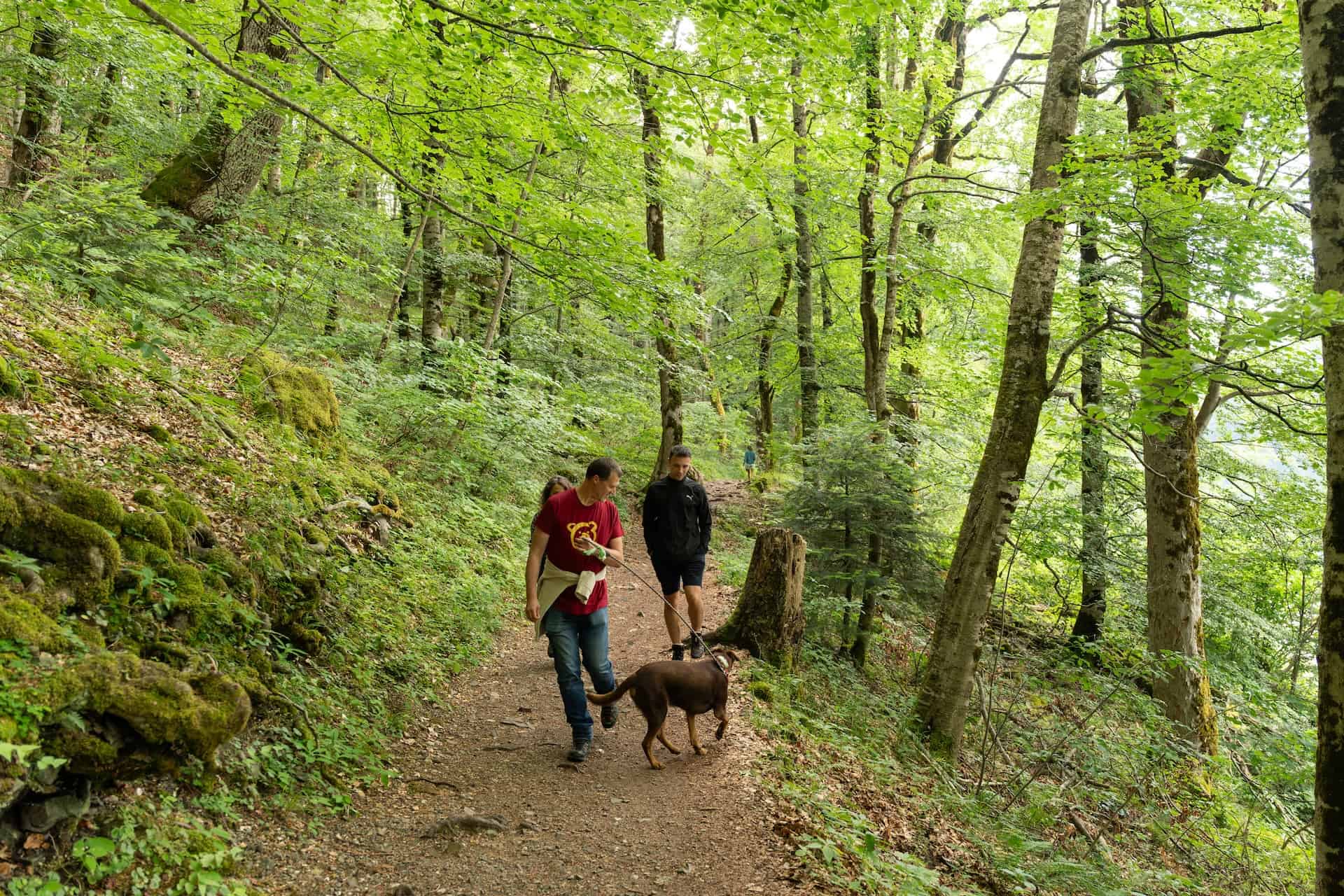
Maintain dogs on sturdy leashes no longer than two metres in known large carnivore territories. Retractable leashes prove inadequate due to excessive slack and weak construction susceptible to snapping under predator force. Heavy-duty nylon or leather straps with quick-release buckles provide optimal control. Cats transported outdoors should use harnesses with secure clips never collar-only restraint systems.
Trail selection
Research local wildlife databases and consult authorities about recent observations before choosing routes. Avoid trails showing confirmed carnivore tracks or carcass remnants. Plan excursions during midday hours when animal activity diminishes compared to dusk and dawn. Consult fellow hikers and rangers about current conditions upon arrival. Published information may lag behind actual wildlife movements.
Group hiking strategies
Travel in groups whenever possible in large carnivore areas. Larger parties generate more noise and occupy greater space discouraging approaches. Position dogs centrally within walking formations rather than at flanks where they become separated. Ensure all group members understand emergency procedures.
Camping precautions: Secure pets in kennels. Never tie leashes to trees or rocks that could fail under stress. Store pet food separately from human provisions but equally securely. Clean feeding bowls immediately after meals.
Always prioritize your safety over your pet’s, attempting heroic rescues often leads to dual tragedies.
More information can be found here.
Livestock and Working Animal Protection Measures
Farm animals and working dogs require specialised protection frameworks accounting for their economic value and unique vulnerability profiles.
Poultry and small livestock
Construct chicken coops and rabbit hutches using welded hardware cloth with 0.5 cm openings secured to rigid frames. Elevate structures off ground preventing burrowing access. Always keep animals enclosed at night. Collect eggs daily reducing attractiveness to egg-eating species.
Sheep and larger herd protection
Gather ruminants into fortified night enclosures featuring solid walls and monitored entry points. Employ livestock guardian dogs trained from puppyhood alongside flocks. Install perimeter fencing combining physical barriers with electrified elements delivering sufficient voltage. Regularly check wires maintain at least 5,000 volts even in rain, drought or snow. Remove vegetation touching wires and maintain one-meter clearance. The lowest wire should be no more than 15 cm above ground. Rotate grazing pastures disrupting predator hunting patterns.
Working and guardian dogs
Guardian breeds such as Sarplaninac, Tornjak, Great Pyrenees and Anatolian Shepherd require careful introduction to livestock. These dogs work effectively when bonded with flocks from youth but need monitoring preventing excessive aggression toward non-target species. Train working dogs responding reliably to recall commands enabling removal from danger zones. Provide supplemental veterinary care addressing injuries and ensure vaccinations remain current.
Calving and lambing season
Newborn livestock represent highly vulnerable prey attracting predators. Increase surveillance during birthing seasons checking maternity areas hourly. Deploy motion-sensing cameras recording nocturnal activity. Consider temporary relocation of pregnant animals to protected barns until offspring reach improved survival sizes.
More information can be found here and here.
Training Dogs for Safety and Emergency Response
Proper dog training transforms potential liabilities into manageable companions capable of responding appropriately during wildlife situations.
Essential obedience commands: Teach reliable recall commands functioning even amidst high-distraction environments. Dogs ignoring summons when seeing wildlife pose grave dangers requiring immediate intervention. Master ‘leave it’ and ‘drop it’ commands preventing ingestion of contaminated items. Develop ‘stay’ positioning maintaining stationary placements despite temptations.
Wildlife desensitisation
Expose dogs gradually to wildlife imagery, sounds and scents. Reward calm, non-reactive behaviours while redirecting anxious responses. Professional trainers specialising in wildlife-awareness programmes provide structured curricula.
Boundary training
Establish clear property limits using physical markers or invisible fence systems teaching dogs where roaming permits end. Combine boundary training with recall reinforcement ensuring prompt returns if crossing lines accidentally.
Emergency freeze protocol
Train dogs stopping motion instantly upon hearing specific command phrases signalling imminent wildlife presence. Frozen posture denies pursuit triggers inherent in fleeing prey while allowing handlers to assess situations. Pair freezing with backing-away movements executed slowly without turning backs.
More information can be found here.
Emergency Response Protocols During Wildlife Encounters
Despite preventive measures, carnivore encounters involving pets occasionally occur. Prepared responses minimise injury severity and facilitate professional intervention.
Immediate assessment
Evaluate situations rapidly determining threat levels based on species identification, behaviour patterns and distance. Defensive displays like growling or vocalisations suggest non-predatory intentions whereas silent stalking indicates predatory motivation. Note whether wildlife appears hungry, injured, protecting young or passing through. Quick judgments guide response selections.
Dog retrieval
Approach pets calmly without sudden movements escalating perceptions. Grab collars firmly rather than attempting body grabs animals might interpret as threats. Pull dogs directly toward you. Never attempt picking up struggling dogs while facing wildlife. Always prioritise your own safety! If your dog gets into an encounter with a bear, don’t try to rescue it.
Creating separation distances
Move away from wildlife gradually keeping pets close positioned between owner and threat. Speak firmly and loudly projecting confidence without panicked screams. Carry deterrent tools including bear spray designed for carnivore applications deployed only if attacks commence.
Medical and reporting actions
Examine pets thoroughly for wounds requiring veterinary attention. Report encounters to wildlife authorities providing comprehensive information. Follow up with veterinary consultations even when visible injuries seem minor. Consider rabies vaccination status reviews depending on exposure circumstances.
Legal and insurance considerations
Understand liability laws governing pet-wildlife conflicts in your jurisdiction. Some regions classify wildlife encounters as natural hazards excluding compensation. Contact insurance providers discussing coverage for veterinary bills. Maintain documentation supporting claims including invoices and photographic evidence. Engage legal counsel if disputes arise.
More information can be found here.