
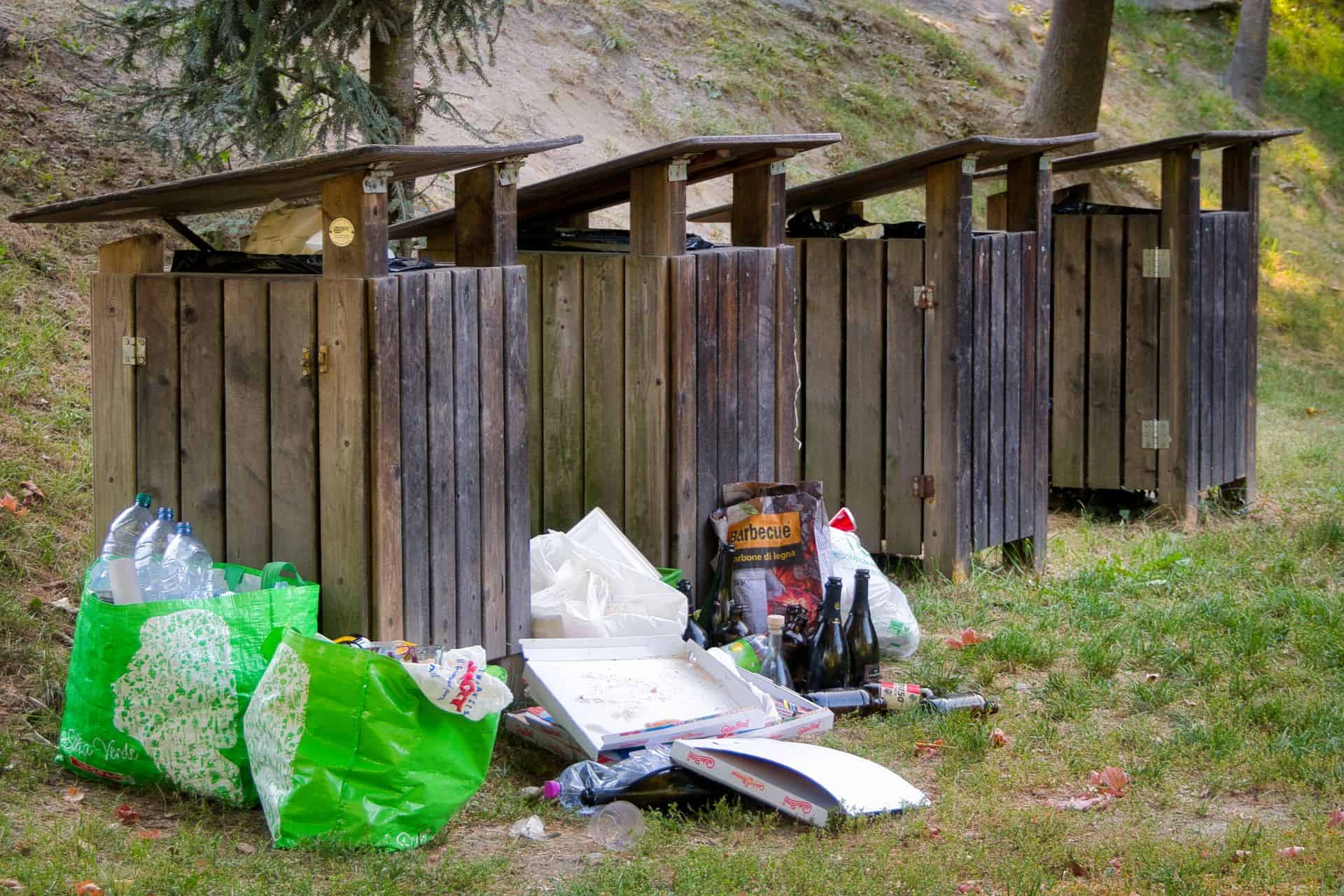
Improper waste management is one of the leading causes of human-wildlife conflict in residential and rural areas. When food waste, garbage, and organic materials are accessible to wildlife, animals quickly learn to associate human settlements with reliable food sources. This habituation creates dangerous situations for both people and animals, leading to property damage, vehicle collisions, increased predation on livestock and pets, and ultimately the removal or euthanasia of wildlife that loses its natural fear of humans.
Comprehensive waste management strategies should be specifically designed to minimise attractants that draw large carnivores, omnivores, and scavengers into residential areas. By implementing proper storage containers, following seasonal adjustments, adopting responsible composting practices, and coordinating with neighbours, households can significantly reduce wildlife encounters while supporting healthy local ecosystems. The recommendations apply to brown bears, wolves, lynx, golden jackals and other wildlife that may inhabit or pass through human-modified landscapes.
Understanding Waste Attractants and Wildlife Behaviour
Wildlife species respond to smell and visual cues signalling available food. All large carnivores and omnivores possess keen senses adapted for locating nutritious food across large territories.
Odour-based attraction: Food waste emits volatile organic compounds travelling considerable distances. Bears detect food odours up to several kilometres away under favourable conditions; wolves and jackals operate effectively at hundreds of metres to one kilometre. Meat scraps, dirty pet bowls, slaughter remains, fish, dairy products, greasy cooking residue and rotting organic matter create particularly powerful, persistent attractants.
Learning and habituation: Animals are opportunistic. Open bins, visible plastic bags, outdoor pet feeding stations and accumulated fallen fruit signal that humans store resources. Once an animal obtains food from one source, it memorises the location and returns repeatedly, often teaching group members or offspring. This learning accelerates habituation, transforming naturally wary animals into bold visitors approaching structures and people without fear.
Seasonal variations: Spring brings increased foraging as animals recover from winter deficits. Summer and early autumn represent peak activity for females with young. Autumn sees intensified food searching before winter. Households should adjust waste management intensity seasonally, increasing vigilance during high-risk periods.
You can find more information here and here and here.
Secure Garbage Storage Systems
Proper storage infrastructure forms the foundation of wildlife-safe waste management. Household containers must physically prevent access by animals capable of opening lids, breaking weak materials or tipping lightweight bins.
Container specifications
Invest in wildlife-resistant bins certified for bear-proof or carnivore-proof storage, featuring locking mechanisms, reinforced construction and pry-resistant designs. Metal bins with welded seams offer superior durability; quality thick-walled plastics with integrated locks also provide adequate protection. Place containers on flat, stable surfaces.
Storage location
Store bins inside secured buildings whenever possible. If outdoor storage is unavoidable, position containers against building walls under covered structures. Avoid placing bins near fences, trees or elevated surfaces animals could use for leverage.
Timing protocols
Remove garbage only on collection mornings, ideally within two hours before pickup. Never place bins curbside overnight when nocturnal animals are most active. Retrieve empty containers immediately after collection.
Maintenance
Wash bins regularly with detergent to remove residual food particles and lingering odours. Inspect seals, latches and hinges periodically for wear. Replace compromised components promptly.
You can find more information here and here.
Composting and Organic Waste Reduction
Organic waste decomposition creates a complex challenge: environmentally beneficial practices can inadvertently generate concentrated wildlife attractants.
System selection
Open pile composting is incompatible with wildlife-safe management in large carnivore areas as animals dig through layers and develop strong food associations. Use enclosed hot composting tumblers or bins with secure lids, locked access points and sturdy frames resisting overturning.
Suitable materials
Acceptable inputs include vegetable peels, fruit cores, coffee grounds, tea leaves and garden waste. Strictly prohibit meat, fish, bones, dairy, oils, fatty foods and pet waste, all emit potent odours during decomposition penetrating standard containment. Plant-only composting eliminates nutritional incentives for carnivores and scavengers.
Alternatives
Electric food waste digesters convert organic material into odourless liquid effluent, removing attractants entirely. Bokashi fermentation systems ferment waste anaerobically in sealed buckets, though final burial requires deep interment away from animal travel routes. Municipal green bin programmes with wildlife-resistant carts offer community-level solutions.
Seasonal practices
During autumn harvest, collect fallen fruit daily and dispose securely rather than allowing accumulation beneath trees. Minimise waste at source through conscious purchasing and creative leftover use.
You can find more information here.
Community Coordination and Regional Practices
Wildlife management effectiveness depends on collective action because isolated efforts are undermined when neighbouring properties maintain attractant-rich environments.
Neighbourhood coordination
Establish mutually agreed waste management standards with adjacent property owners. Create informal agreements regarding bin placement times, storage requirements and wildlife reporting procedures.
Public education
Partner with schools, community centres and environmental organisations to disseminate wildlife-safe waste information. Organise workshops demonstrating proper container installation. Address cultural traditions of feeding wild animals that perpetuate habituation.
Infrastructure advocacy
Engage municipal governments to install wildlife-resistant bins in parks, picnic areas and roadside stops. Request collection schedules minimising storage intervals during peak wildlife seasons.
Data collection
Document encounters, property damage and waste-related incidents systematically. Report to authorities with dates, locations, species and behaviour descriptions. Contribute observations to citizen science databases tracking wildlife movements.
You can find more information here.
Emergency Situations and Incident Response
Despite preventive measures, wildlife encounters occasionally occur. Appropriate responses minimise injury risks while facilitating professional intervention.
Identifying habituated wildlife
Warning signs include animals approaching within close distances, attempting to enter structures, begging, persistent following, daytime residential activity or repeated visits over multiple days. Such animals act unpredictably when denied expected rewards and their habituation often leads to eventual euthanasia.
Immediate response
If wildlife enters your property, remain calm. Secure children and pets indoors immediately. Close exterior doors and windows. Observe from safe interior vantage points while contacting wildlife professionals. For animals posing imminent threats, call emergency services rather than attempting independent resolution.
Professional contacts
Maintain accessible contact information for local wildlife rehabilitators, conservation officers, park rangers, veterinary emergency clinics and animal control departments. Understand that some jurisdictions require official personnel for all wildlife removals-verify legal requirements before intervening.
Post-incident actions
Conduct thorough site inspections identifying attractants that drew the animal. Repair damaged containers, reinforce structural weaknesses and review household practices. Document incident details and report to authorities. Implement corrective measures immediately and communicate lessons to neighbours.
You can get more information here.